Food truck franchise: what to check before you sign
Entry fees, ongoing fees, the documents you must receive before signing and the clauses to read twice: how a food truck franchise works, and how to go independent.
 Romain BarreauFounder of Food Truck Store · 5 min read
Joining a food truck franchise means buying into a concept that has already been tested: a brand, a menu, suppliers and a way of working. In return, you usually pay an entry fee and ongoing fees, and you sign up for several years. Here is how it works, what the law entitles you to before you sign in some countries, what to check, and how to go it alone if franchising is not for you.
What you are buying into.
Spanish law puts it simply: the franchisor grants the franchisee the right to run its own system for selling products or services (Law 7/1996, art. 62). Swedish law adds that the franchisee pays the franchisor to use its particular business concept, uses its trade marks or other intellectual property, and accepts regular checks that the agreement is being kept (Law 2006:484, section 2). You still own your business, but it trades under someone else’s brand.
- The brandYou use the network’s name and visual identity.
- The know-howRecipes, methods and organisation, passed on through training and manuals.
- The supportAt the start, then for as long as the contract runs.
- The networkOther franchisees to talk to, and negotiated purchasing terms.

What a franchise costs you.
There is no standard price: it depends on the network, its reputation and the sector. Expect an entry fee for the know-how, start-up support and initial training, then an ongoing fee (either fixed or a percentage of your takings), often an advertising contribution, and purchases from the franchisor or its approved suppliers. On top of that come the vehicle, its equipment, your pitches and your stock.
In Sweden, the written information you receive before signing must set out the fees you will pay the franchisor, the other financial terms, and any goods or services you are obliged to buy (Law 2006:484, section 3).
Read before you sign: the disclosure rules.
In Spain, the franchisor must give you written information at least 20 days before you sign any franchise contract or preliminary agreement, or make any payment (Law 7/1996, art. 62.2). In Italy, you must receive a full copy of the contract and its annexes at least 30 days before signing, including the list of franchisees, how their number has changed over three years and, if you ask, the franchisor’s balance sheets for the last three years (Law 129/2004, art. 4). In Sweden, the information must be given in writing “in good time” before signing (Law 2006:484, section 3); in other countries, ask a solicitor which rules apply before you commit.
- Get the documents
At least 20 days before signing in Spain, 30 days in Italy, “in good time” in Sweden.
- Read the accounts
The franchisor’s accounts, and the investment it expects from you.
- Call franchisees
The list is in the information you receive, along with how the network has changed.
- Build your own forecast
Using your pitches, your prices and your costs, including the fees.
- Get it checked
By a solicitor who knows franchise contracts, before you sign or pay anything.

The clauses to read twice.
The franchisor almost always drafts the contract, and there is rarely much room to negotiate. Swedish law lists what the information must cover, which makes a useful checklist anywhere: the non-compete clause during and after the contract, how long the contract runs, how it can be renewed or ended, and how disputes are settled (Law 2006:484, section 3). Look just as closely at what protects your territory.
- Territorial exclusivityA town, an area, specific pitches: what is reserved for you, in black and white.
- SuppliesThe products and suppliers you must use: compare their prices with the market.
- Non-competeDuring the contract and after it: over what area, and for how long.
- The way outRenewal, termination, resale: how you leave the network, and what it costs.
Extra questions for a franchise on wheels.
A franchise gives you a known brand, a tested method, negotiated purchasing and training; in return, you pay for all of it and play by the network’s rules. With a food truck, also ask who chooses the vehicle, what your territory covers when you move around, and whether the trailer can be sold on with or without the branding. Ask too who installs and inspects the gas: that is a job for a qualified professional in your country.
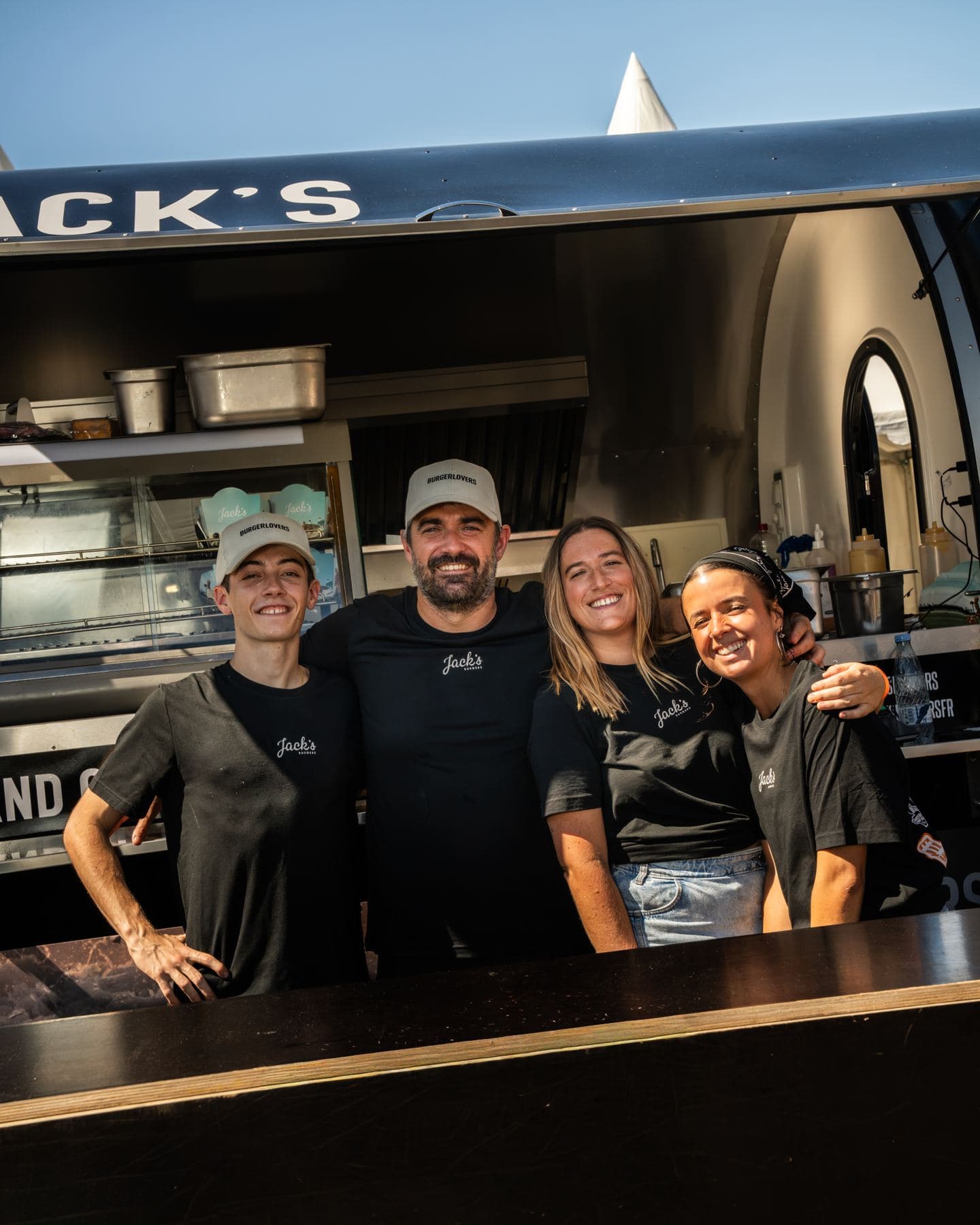
Franchise brand or your own, the work at the counter is the same.
Before you sign, talk to franchisees.
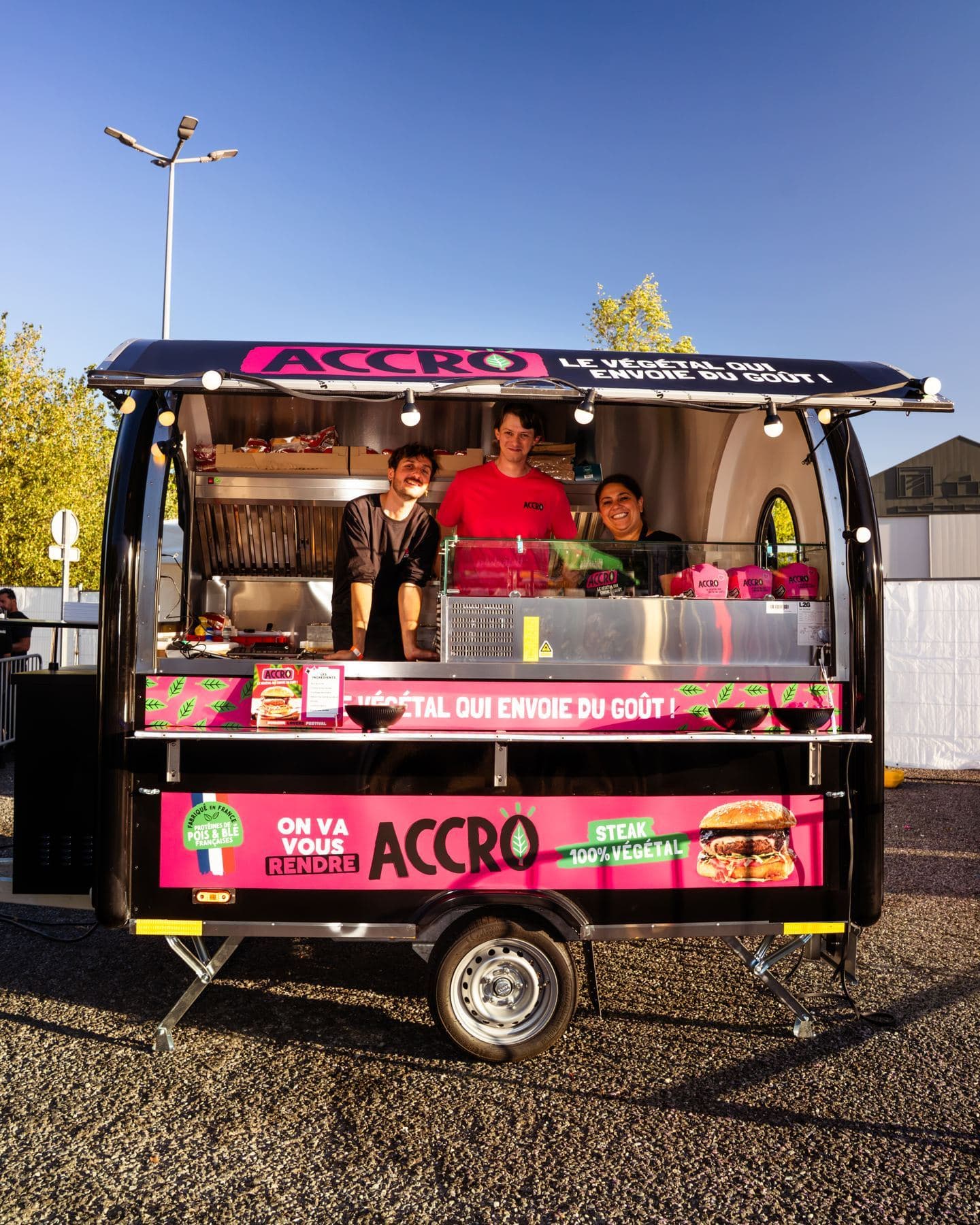
Franchisees already in the network know what the brochure leaves out: the real takings, the real fees and what support looks like after the first month. Their answers are worth more than any forecast you are handed.
Or go independent, fully equipped.
Food Truck Store is not a franchisor: we design the trailers, and you keep your own brand, menu, suppliers and prices, with no entry fee and no royalties, though the know-how is yours to build. Our food truck trailers start at €11,500 excl. VAT for the Essentiel and €13,495 for the Chef+, and the free FTS Academy quiz helps you choose your layout. For the concept itself, browse our food truck ideas.
Your own brand, your own recipes.
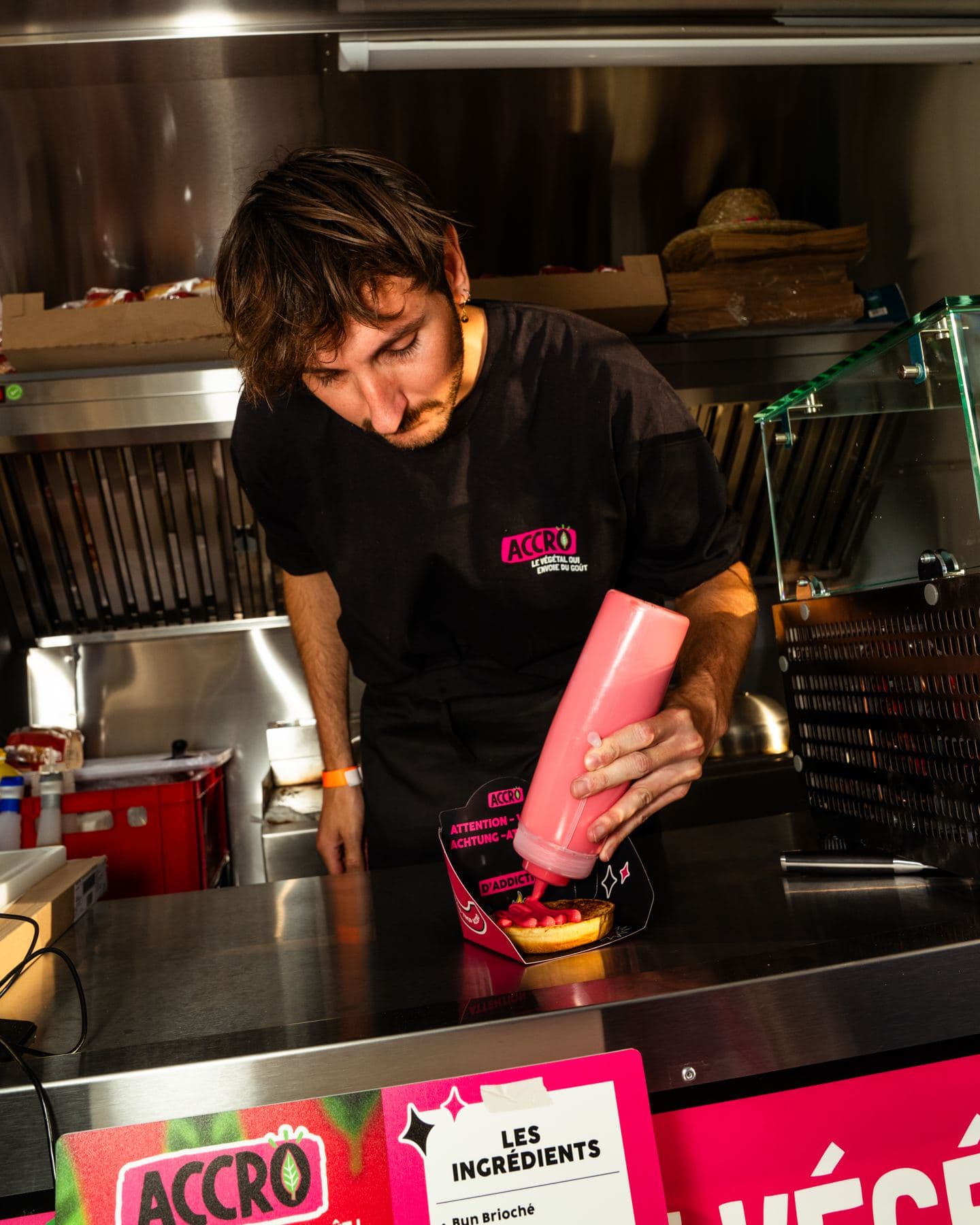
Your questions answered.
Got another question? Just ask us ›You set up your own business and run it under a network’s brand, with its know-how and support. In return, you usually pay an entry fee and then ongoing fees, and you follow the network’s rules on the menu, suppliers and presentation.
There is no standard price. Add up the entry fee, ongoing fees, advertising contribution, and the vehicle and its equipment; the information you receive before signing should set out the fees and financial terms.
At least 20 days before signing or paying anything in Spain, at least 30 days before signing in Italy, and in good time before signing in Sweden. In other countries, ask a solicitor which rules apply.
Yes, you do not need a franchise. You need a registered business, a food business registration, the trading permits your country requires, a trailer that can be registered, and a concept of your own.
No. Food Truck Store designs food truck trailers and sells them through distributors: you keep your own brand, menu and prices, with no entry fee and no royalties.
 By Romain, founder