Food truck ideas: 11 concepts, from classic to original
Burgers, coffee, crepes, ice cream or poke: eleven food truck concepts in four groups, the trailer layout for each, and the questions to ask before you choose.
 Romain BarreauFounder of Food Truck Store · 5 min read
If you are looking for food truck ideas, you probably know you want to start but have not yet found your concept. Be methodical: start from what you cook well and from where you want to sell. Here are eleven concepts in four groups, the trailer layout that goes with each, and the questions that will help you decide.
Hot food: burgers, kebabs, fries.
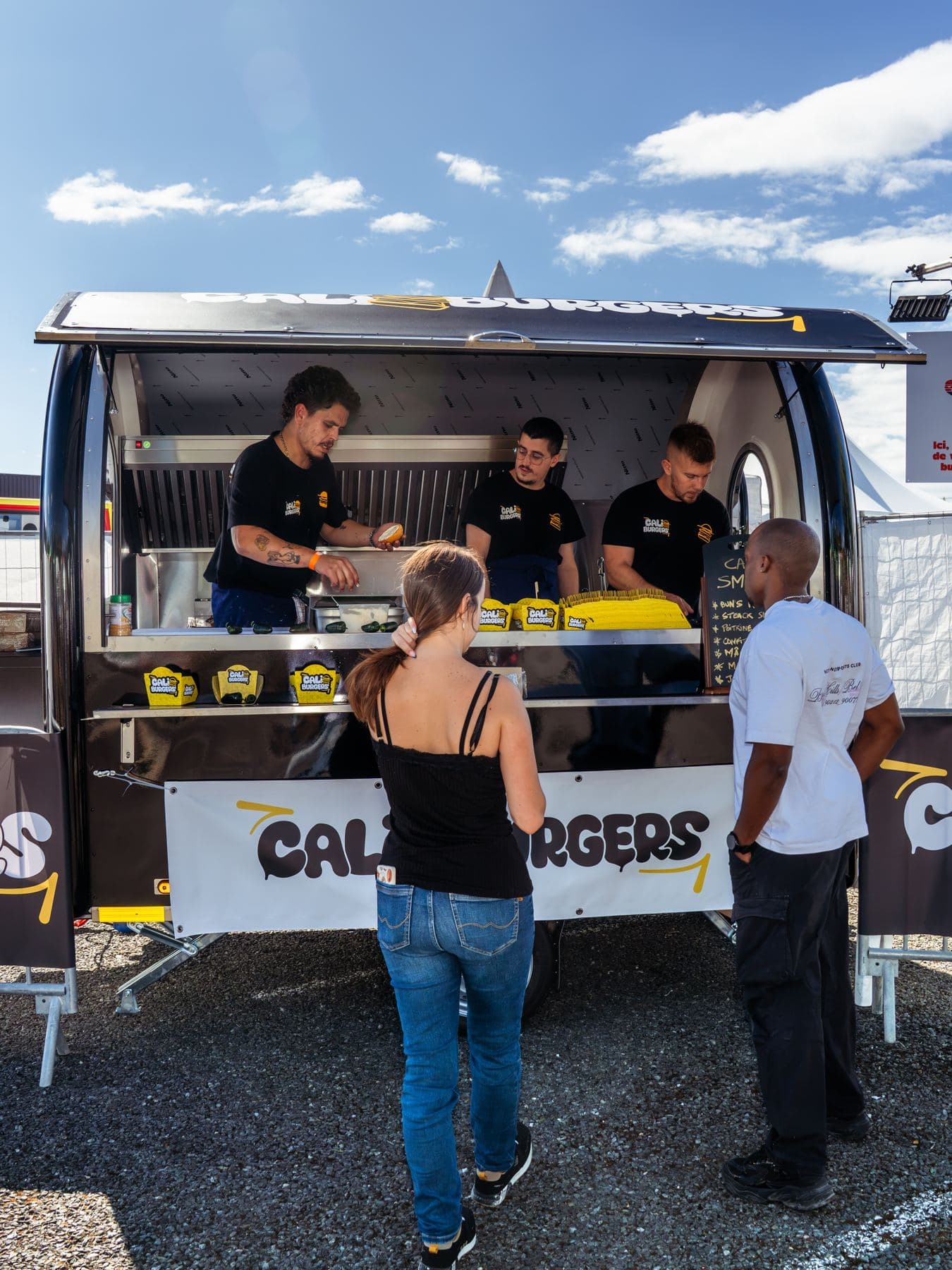
You will be grilling or frying, so in Ireland you need a canopy (FSAI, Guidance Note 16, 5.2): the Chef+ has a hood as standard. See our burger food truck, kebab food truck, fries food truck and BBQ food truck pages.
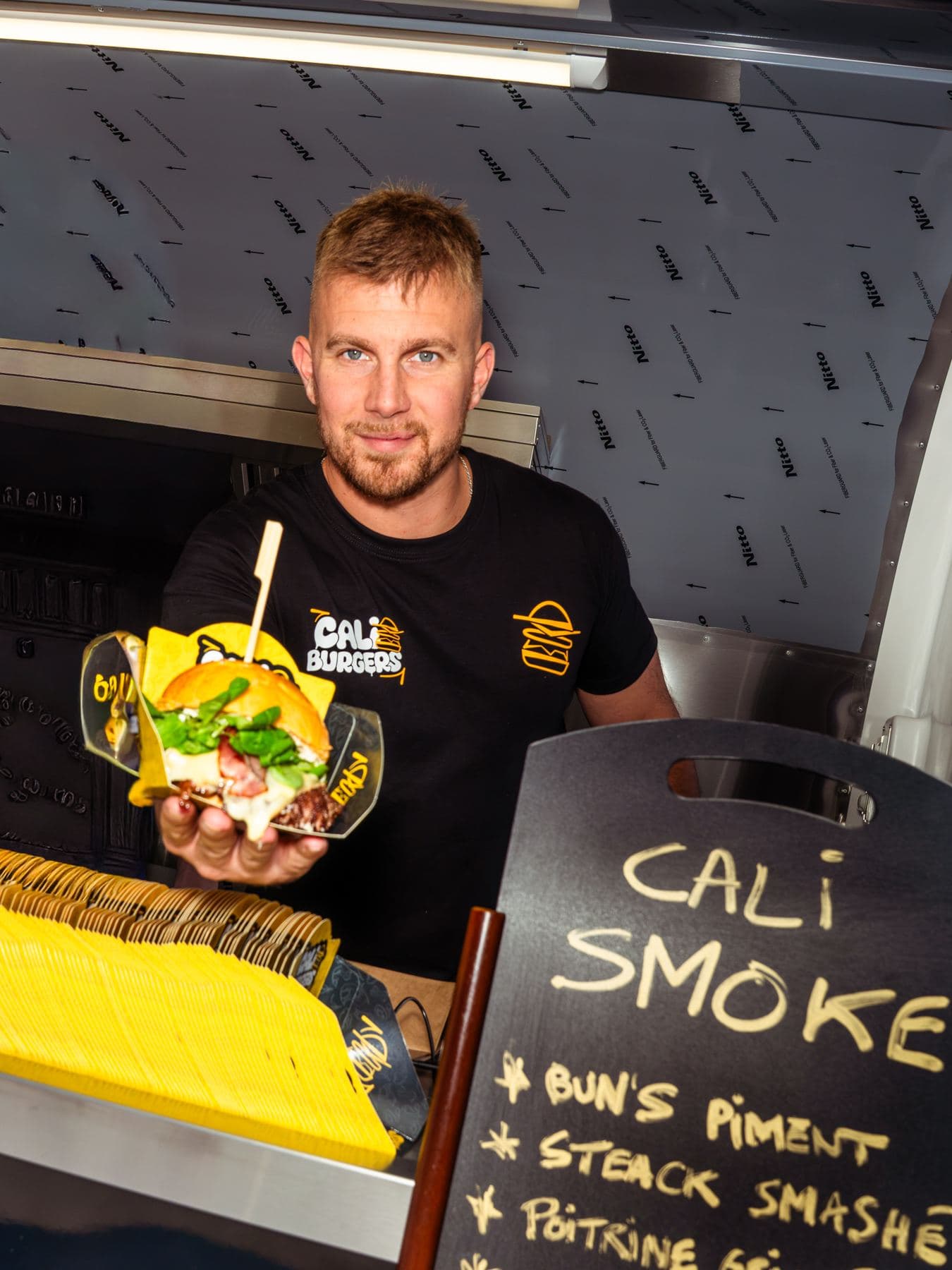
- BurgersThe classic everyone understands: a full meal at lunchtime on a business park or in the evening at a festival. With the griddle and cold storage within reach, it all comes down to your speed in the rush.
- KebabsThe spit, salad kept cold, bread close at hand: a compact station where each step flows into the next.
- Fries and fishFryers under the hood and a queue that moves fast. The gas bottle box is an option on every model.

Drinks: coffee, cocktails, beer.
A coffee food truck trades in the morning, outside a station or at a market, and a mobile bar in the evening, at weddings and events. In Ireland, you sell alcohol at events through a licensed partner (Courts Service).
Both concepts suit the Barista: a three-door bottle fridge, a long counter and space for the coffee machine or beer tap of your choice. Check local rules first: in Copenhagen, mobile street traders may not sell soft drinks, sparkling water or alcohol (City of Copenhagen).
Sweet: crepes, waffles, ice cream.
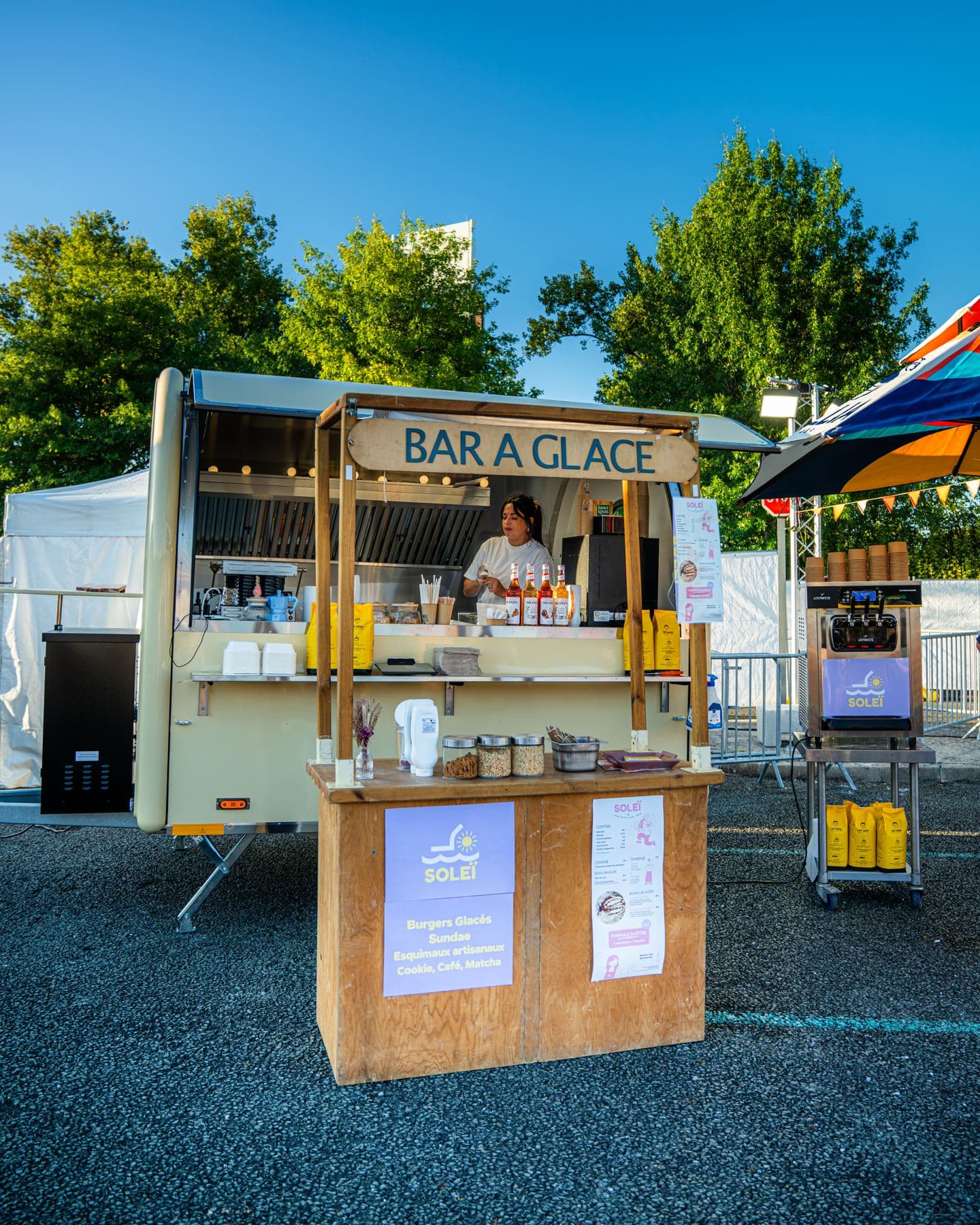
Crepes and waffles are made on electric appliances on the Essentiel’s worktops: see our crepe food truck page. Ice cream sells on looks, from the Frost’s 7-tub display (ice cream food truck).
Ice cream sells on looks.
Fresh: sushi, poke and bowls.
Sushi, poke and healthy bowls need cold storage and space to plate up, which the Essentiel provides: see our sushi food truck page.
Your concept sets your VAT rate.
Irish VAT depends on what you sell (Tax and Duty Manual, current VAT rates). Denmark has a single 25% rate (Skattestyrelsen), and Sweden charges 6% on food from a food truck until the end of 2027 (Skatteverket).
- 9%on hot takeaway food, hot tea and coffee in Ireland
- 0%on cold takeaway food, such as cold sandwiches, in Ireland
- 23%on ice cream, soft drinks and alcohol in Ireland
What makes a concept pay.
No concept pays everywhere: the same menu can make money on one pitch and lose it on another. Ask these four questions, then do the full sums with our guide How much money do food trucks make?
- Ingredients
What do the ingredients for one portion cost, and what will your customers pay for it?
- Average spend
A drink, a dessert, a meal deal: what can you add to the main item?
- Speed
How many portions can you serve in a busy hour, on your own or with two of you?
- The season
How many months of the year does your product sell, and what will you sell the rest of the time?
Original, but easy to understand.
An original food truck does not have to be a concept nobody has seen before: often it is a classic with a twist of your own. Whatever your twist, passers-by must understand your menu at a glance.
First the idea, then the trailer.
The right food truck idea is one you can serve quickly and well, where your customers expect to find you. Start with the menu, find your layout with the free FTS Academy quiz, then compare our food truck trailers.
A classic with a personal twist.
Your questions answered.
Got another question? Just ask us ›Eleven concepts in four groups: hot food (burgers, kebabs, fries), drinks (coffee, cocktails, beer), sweet (crepes, waffles, ice cream) and fresh (sushi and poke, healthy bowls). Each has its own layout: the Chef+ for anything grilled or fried, and the Essentiel, Frost or Barista for the rest. In the AIR 220 format, the Essentiel starts at €11,500, the Frost and Barista at €13,300 and the Chef+ at €13,495, all excl. VAT.
No concept is profitable everywhere. Profit depends on your ingredient costs, the price your customers will pay, how many portions you serve per hour and how many months you can sell: work it out with your own figures, for example in the free FTS Academy business plan.
Start from a classic you have mastered and give it your own twist: a family recipe, a local product, a pairing such as ice cream and coffee. Test it at markets or events before you invest.
Coffee, a bar, ice cream, cold food, and crepes or waffles on electric appliances, which we recommend in the Essentiel. As soon as you grill or fry, choose the Chef+ and its hood; in Ireland, the FSAI expects a canopy over appliances that give off heat and steam in a food trailer.
Not on a licence of your own: an occasional licence for an event is only granted to someone who already holds an on-licence, and not to holders of a special restaurant licence. Work with a licensed partner, and check the event organiser’s rules.
Takeaway food is generally treated as a sale of goods, and the rate depends on what you sell: since 1 July 2026, hot takeaway food, hot tea and coffee are at the second reduced rate, cold food is zero-rated, and ice cream, soft drinks and alcohol are at the standard rate. Check the rate for every item on your menu before you set your prices.
 By Romain, founder