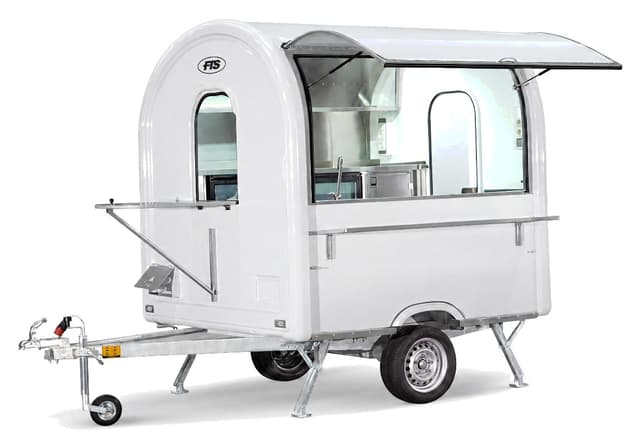
Food truck extractor hood: extraction, gas and the rules
Why you need a hood as soon as you cook, how it works in a trailer, what the rules say in Ireland and elsewhere, how to look after it, and the Chef+ hood.
 Romain BarreauFounder of Food Truck Store · 5 min read
The moment you sear, grill or fry, you are producing heat, steam and grease in a space of a few square metres. Without a food truck extractor hood, the trailer becomes a greasy sauna within minutes, and the grease settles on the walls and wiring. Here is what a hood does, how it works in a trailer, what the rules say and how to look after it.
What a hood actually does.
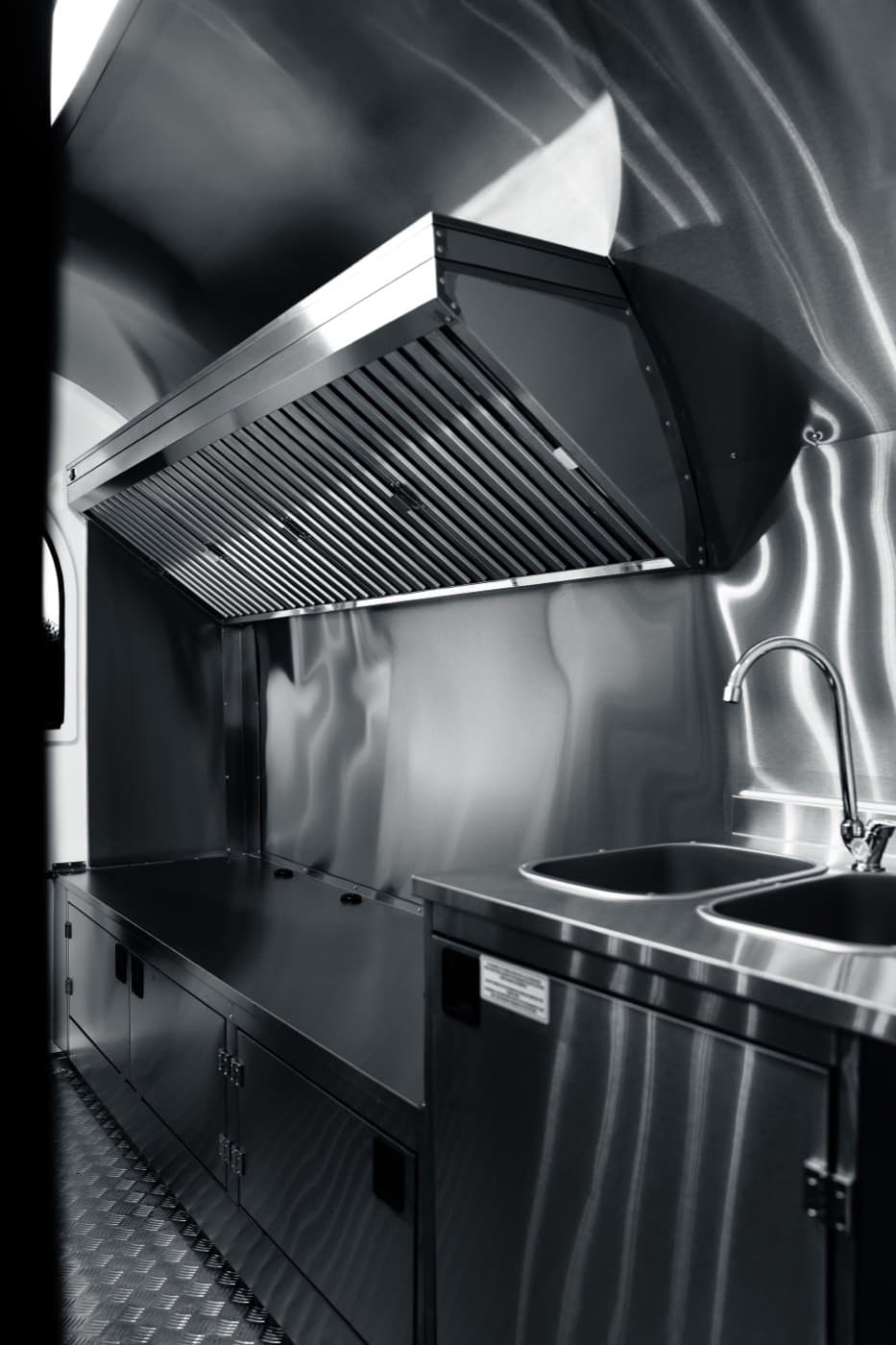
In a food trailer, a hood is not a luxury: it is what lets you work for hours over a hot cooking top. It does four jobs.
- Removing heatWithout extraction, the temperature climbs fast and your fridges have to fight the heat.
- Capturing greaseThe filters catch what would otherwise settle on the walls, ceiling and electrics.
- Reducing fire riskBuilt-up grease is the main fuel in a kitchen fire.
- Looking after your teamThe steam and heat go out and the team stays put: that is how you get through a full service.
How it works in a trailer.
Choose a hood that extracts to the outside rather than one that recirculates: it draws in the air above the cooking appliances, passes it through removable grease filters and blows it out through the roof. Heat and grease leave the trailer, well away from the serving hatch.
- Capture
The hood covers the whole cooking area and draws in the air directly above the appliances.
- Filter
Removable stainless steel filters trap the grease, and you take them out to clean them.
- Exhaust
A fan sized for the hood blows the air out through the roof, away from the counter.

What the rules say, country by country.
In Ireland, a canopy must be provided over the appliances that give off heat and steam in a food van or trailer, and mechanical extraction to the outside with grease filters may be necessary (FSAI guidance note 16, section 5.2). In Norway, the food authority asks you to assess whether your trailer needs ventilation or extraction for the food you cook (Mattilsynet). Elsewhere, ask your food authority what it expects for your menu.
- IrelandA canopy over the appliances that give off heat and steam; mechanical extraction with grease filters may be necessary.
- NorwayIt is up to you to assess whether the food you cook calls for ventilation or extraction.
- Other countriesAsk your food authority, and the organisers of the events you attend, before your first day of trading.
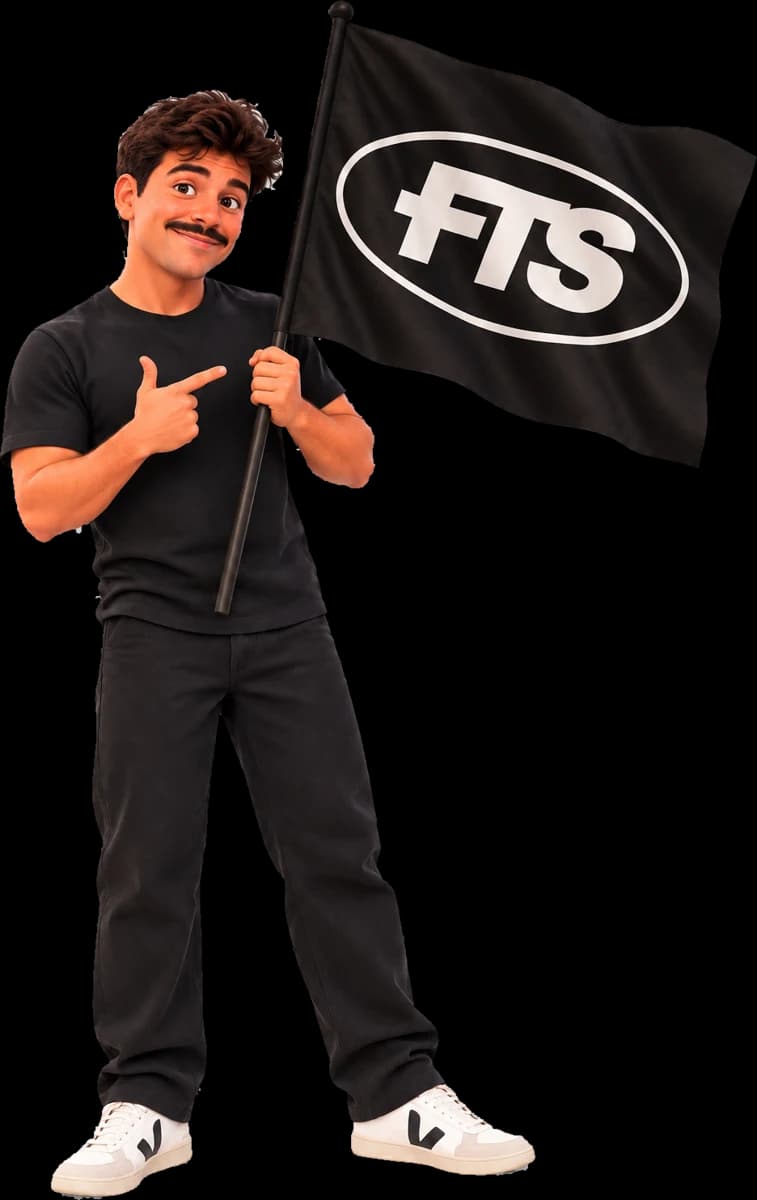
The hood on the Chef+.
The Chef+ is our hot-kitchen layout, made for griddles, fryers and grills: a professional hood over a lowered cooking top, with a double-door fridge within easy reach. In the AIR 220 format it costs €13,495 excl. VAT.
- 130 cmhood in the AIR 220, or 180 cm in the BOLD 270
- 126 × 60 cmlowered cooking top in the AIR 220, 55 cm high
- 150 × 60 cmdouble-door fridge within reach, 0 to +5 °C
- 120 Waverage power draw of the hood in the AIR 220
Gas or electric under the hood.
Gas gives instant heat and does not depend on an electric hook-up: the gas bottle box is an option on every model, and the installation and its inspection are carried out by a qualified professional in your country. In Ireland, only Registered Gas Installers were expected to carry out non-domestic gas works from 1 September 2026 (RGI), and the revised standard I.S. 820 covers mobile catering units (NSAI); in Finland, fixed gas installations are a job for an approved gas installation company (Tukes). Electric cooking works under the hood too, as long as your pitch supplies enough power: the Chef+ runs on 230 V, with two inlets and two separate circuits to plug in.
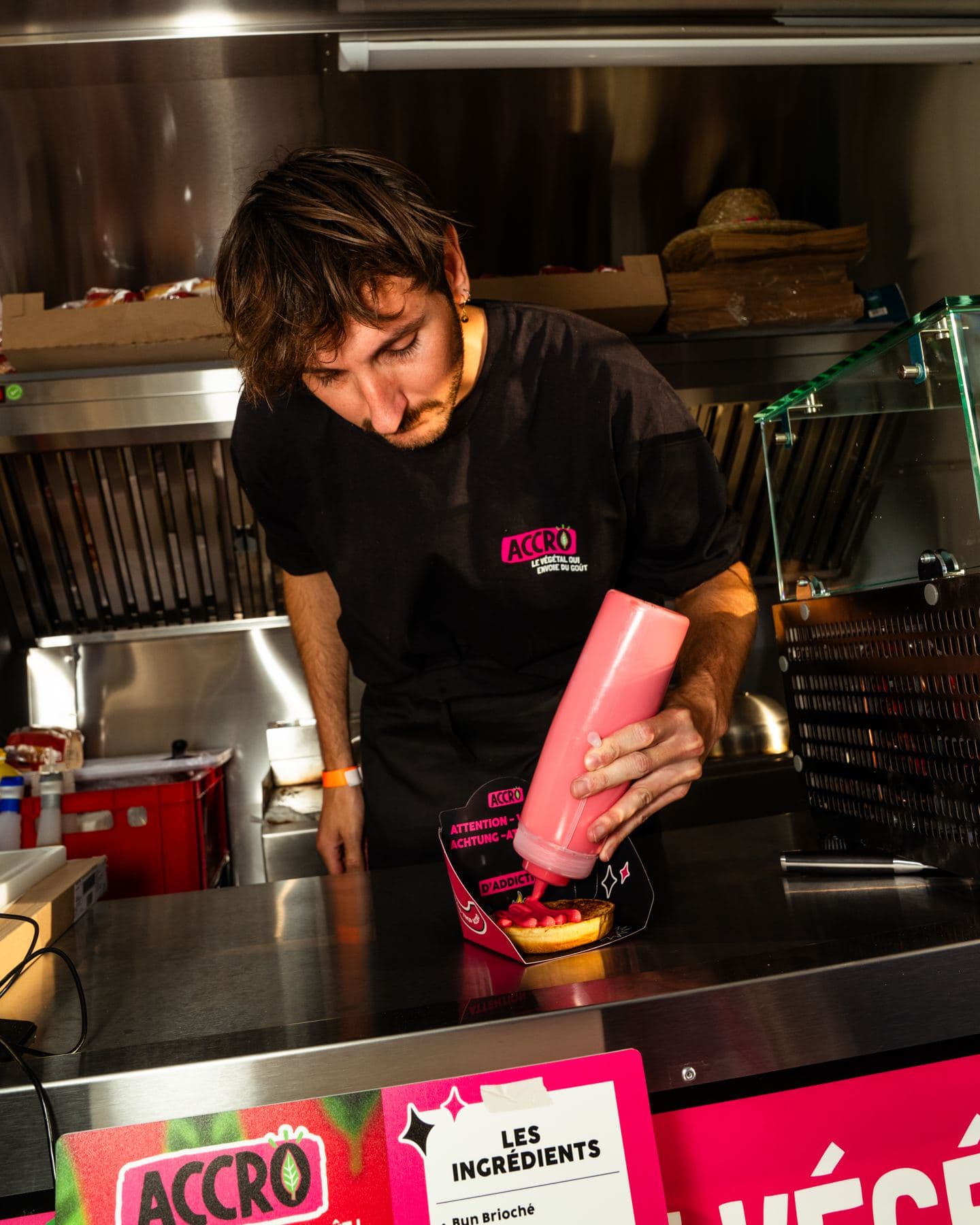
Sauce on, steam up and out.
Maintenance you cannot skip.
A clogged filter stops drawing air and becomes fuel in its own right. Build these tasks into your cleaning plan, and keep the gas inspection records your country requires close at hand.
- After every service
Take out the grease filters, degrease them and let them dry.
- Regularly
Degrease the hood and the part of the duct you can reach.
- At every bottle change
Check the hose, the regulator and the connections for leaks.
- As often as your country requires
Have the gas installation inspected by a qualified professional.
What we see in the field.
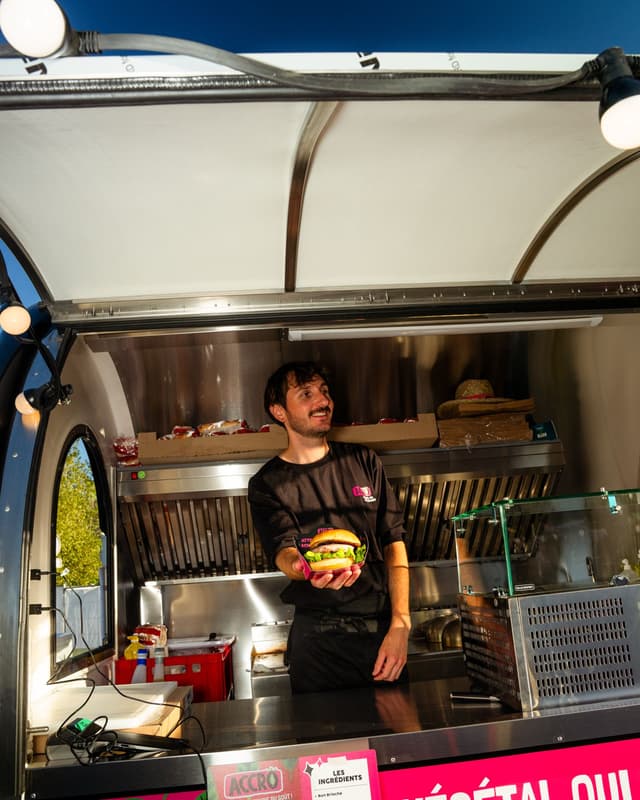
Fresh air, all service long.
The rush is where you find out whether your extraction works: the heat goes out and the team stays put. See the Chef+ among our food truck trailers, plan the rest of the interior with our guide to food truck layout, or check which layout your menu calls for with the free FTS Academy quiz.
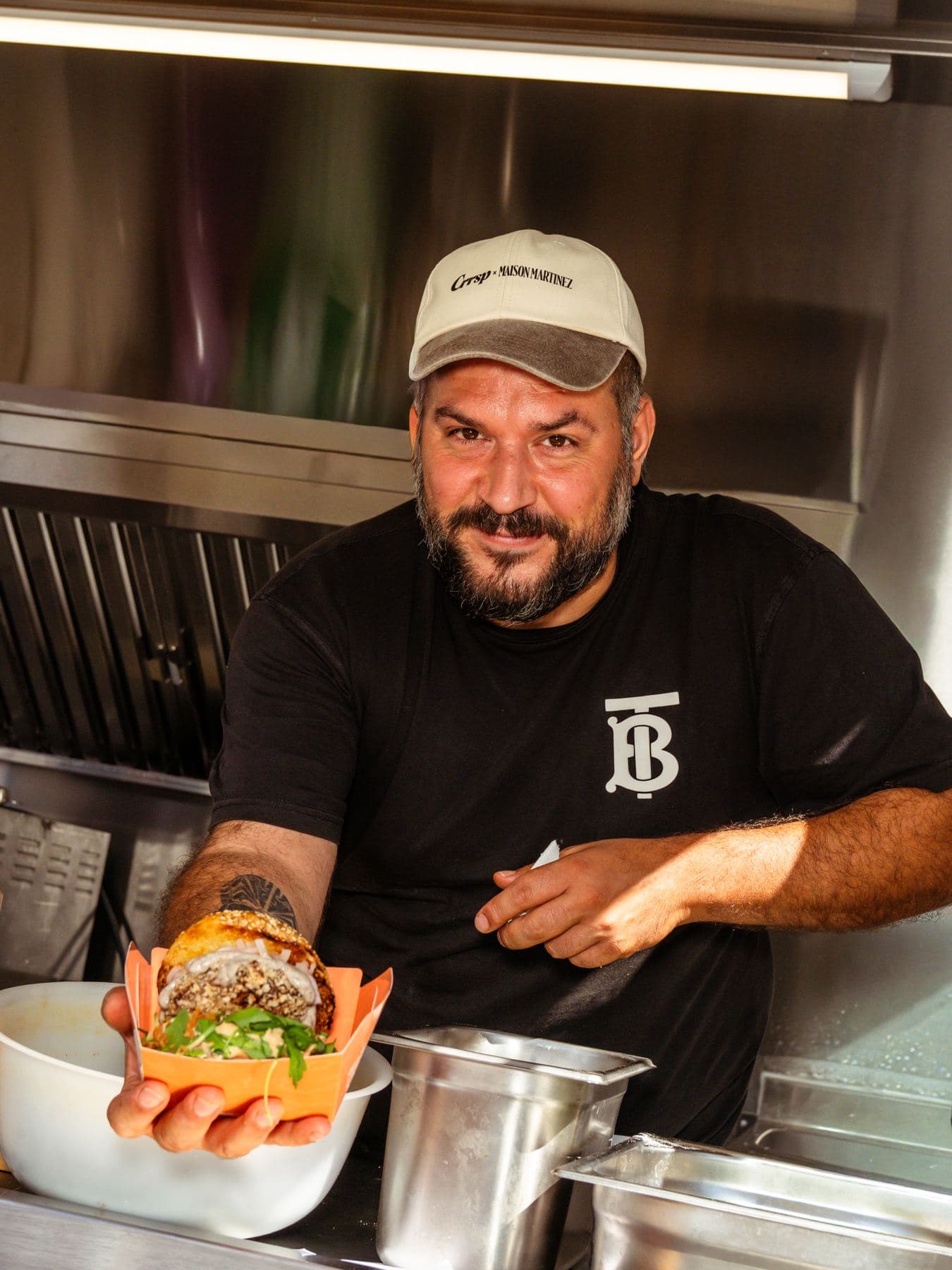
Mid-service, under the hood.
Your questions answered.
Got another question? Just ask us ›In Ireland, a canopy must be provided over the appliances that give off heat and steam in a food van or trailer, with mechanical extraction and grease filters where necessary. In Norway, it is up to you to assess whether your menu needs one. If you only serve cold food, you do not need one.
The safest option is a hood planned at the design stage, venting through the roof, with a fan sized to match. On the Chef+, it is part of the layout from the start; cutting a duct through the roof later is a job for a professional.
After every service where you grill or fry: take them out, degrease them and let them dry. A clogged filter stops drawing air and becomes fuel in its own right.
Yes, under the hood, as long as your pitch supplies enough power. The Chef+ runs on 230 V, with two inlets and two separate circuits: plug in both.
A qualified professional in your country, who also inspects it: in Ireland, non-domestic gas works were expected to be reserved for Registered Gas Installers from 1 September 2026; in Finland, fixed installations are a job for an approved gas installation company. We offer the gas bottle box as an option on every model.
 By Romain, founder