Food truck pitch: where to trade and what it costs
Public land, markets, private land, events: who allocates each food truck pitch in Ireland and across Europe, how the fee is set and which papers to bring.
 Romain BarreauFounder of Food Truck Store · 5 min read
A food truck is only as good as its pitch: the best burger in the county won’t sell in an empty car park. There are four kinds of pitch, each with its own person to ask: the authority for public land, the market manager, the landowner and the event organiser. Here is how each one works in Ireland and elsewhere in Europe, and how the fee is set, with the official sources.
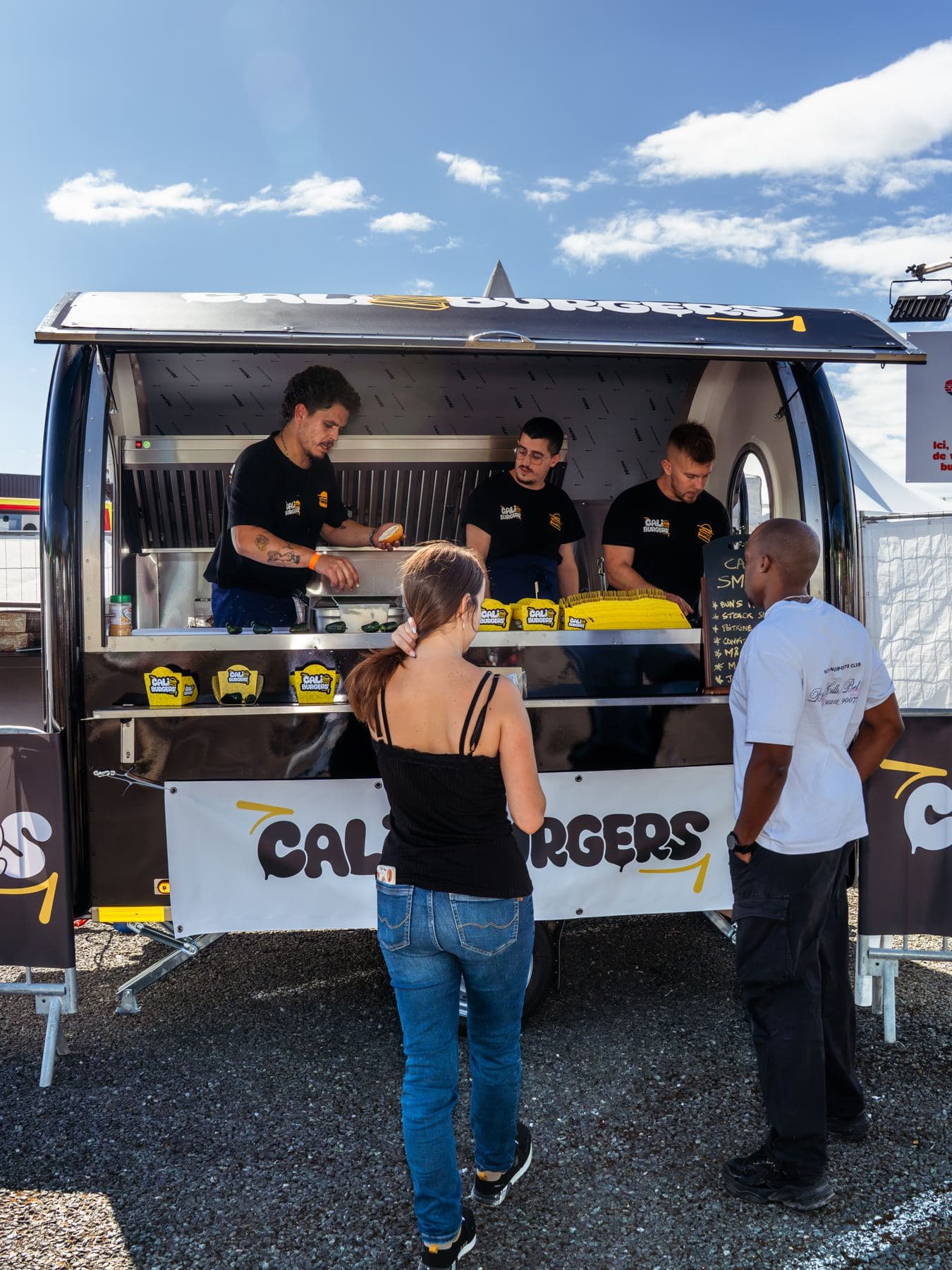
Four kinds of pitch, four people to ask.
Where you want to trade decides who you ask, and each of them has their own rules. In the EU, when public pitches are scarce, they are allocated through an impartial and transparent selection process, for a limited period and with no automatic renewal (Directive 2006/123/EC, art. 12).
- Public landStreets, squares and car parks: a licence or permit from the council, the town or the police, for a fee.
- MarketsThe town or the market manager allocates pitches by the day or for the season.
- Private landBusiness parks, car parks, campsites: you need the owner’s written agreement, sometimes for a fee.
- EventsFestivals, fairs, weddings: the organiser gives you a pitch, for a fee or a share of your takings.

Ireland: bye-laws and a licence.
In Ireland, councils designate casual trading areas in their bye-laws and allocate pitches under a written policy, such as Kildare’s Casual Trading Selection Policy (Kildare County Council). You apply for the casual trading licence at least 30 days before your first day of trading, and it covers specified days in a casual trading area or at an event the public is admitted to (Casual Trading Act 1995). Our guide to the food truck licence takes you through each step.
- Visit the location
Kildare advises traders to visit the proposed locations before they apply.
- Read the bye-laws
Check the designated areas, the days and conditions, and your council’s selection policy.
- Apply 30 days ahead
With the fee, your insurance and your HSE registration, as your council requires.
Elsewhere, ask the town or the police.
In Sweden, trading on public land needs a police permit, with the municipality charging its own fee; Stockholm’s and Malmö’s food truck spaces are for motor vehicles only, while Gothenburg accepts trailers (Polisen, Stockholm, Malmö, Gothenburg). In Copenhagen, a trailer with its own number plate sells from parking spaces, pays for them like a car and leaves every evening (City of Copenhagen); in Helsinki, the city contract sets the locations, the hours and a maximum size of 3 m by 8.5 m (City of Helsinki). In Spain, the town hall grants an authorisation for each pitch, for a limited period (Royal Decree 199/2010), and in Italy a market pitch is a ten-year concession from the municipality (Legislative Decree 114/1998, art. 28).
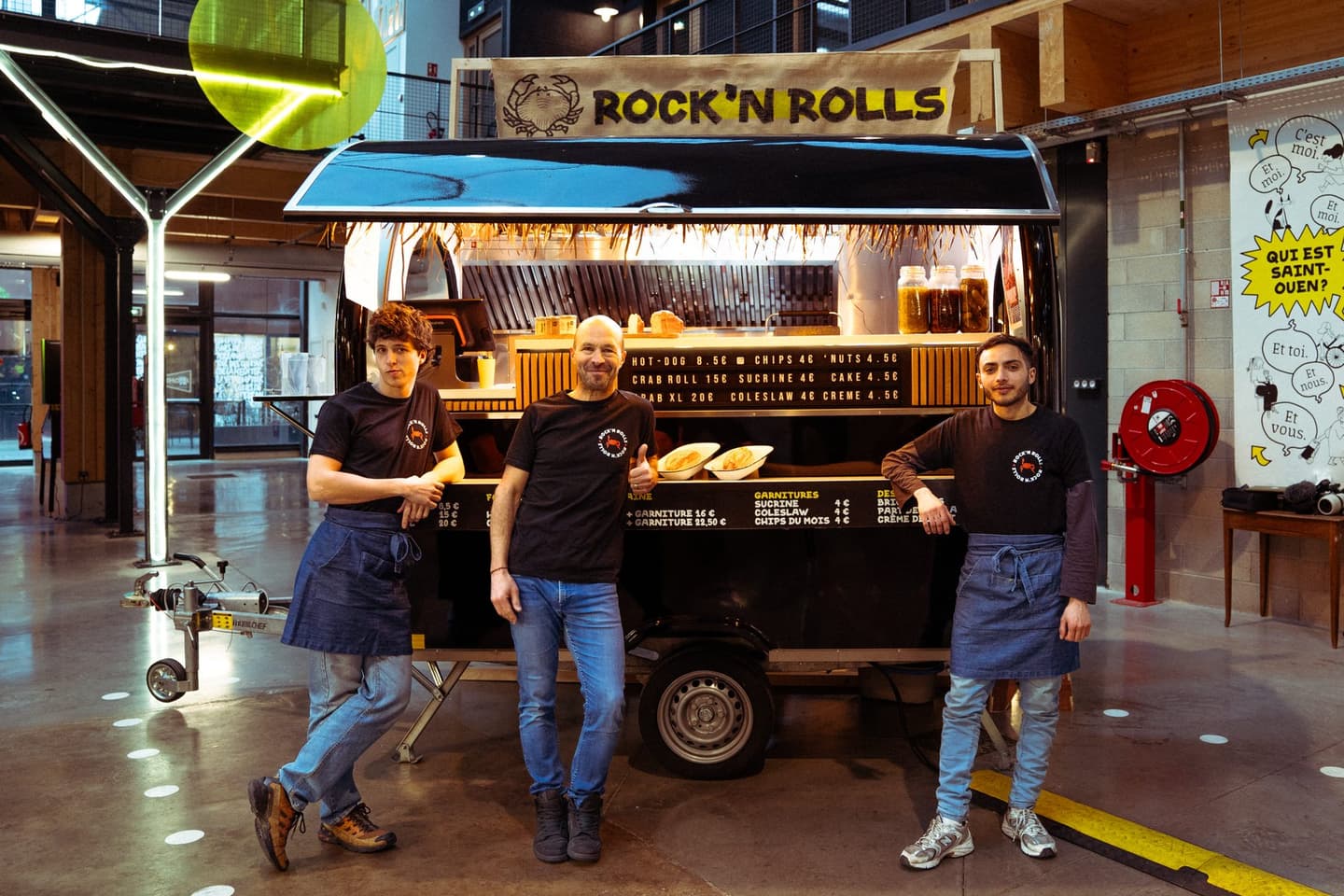
Street, market or food court: every place has its own rules.

How pitch fees are worked out.
Each authority sets its own fee, and the official scales we read are calculated in very different ways (Kildare, Stockholm, Helsinki, Tampere). In Ireland, council fees must be reasonable and proportionate to the cost of administration (Casual Trading Act 1995, s. 6). Get the fee scale in writing before you commit, and weigh it against the sales you expect on that pitch.
- KildareAn annual fee by size of pitch, and public, product and employers’ liability insurance required.
- StockholmA fee per square metre and per day, by zone, on top of the police permit.
- HelsinkiA monthly contract, paid in advance for the whole term, plus VAT.
- TampereA seasonal pitch paid by the month, with a surcharge if you serve alcohol.
Year-round pitches on private land.
On private land, you need the owner’s written agreement first, and some authorities add their own rules: Kildare refers these traders to its planning authority, and Copenhagen tells traders to ask the owner of any land the city does not own (City of Copenhagen).
Get your papers ready before applying.
The towns whose rules we read all ask for much the same documents: Tampere wants your food registration certificate, a recent tax clearance, a trade register extract and a photo of your equipment (City of Tampere), and Kildare your insurance and your HSE registration. In Ireland, the HSE confirms your registration in writing; keep that confirmation in the trailer, because it lets you trade from the notified stall anywhere in the country (FSAI, Guidance Note 16).
Sort out your menu before your pitch: the free Academy quiz tells you which layout suits your concept, and our guide to what a food truck costs lists the running costs, pitch fees included.
Go where people already are.
A seafront, a business park, outside a busy venue: you can’t create passing trade, so go where it already is. Secure your first pitches before you buy, then choose your food truck trailer, from €11,500 excl. VAT, and read how to start a food truck business.
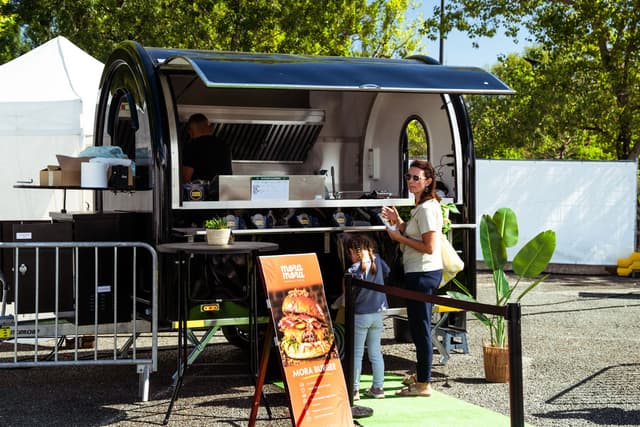
A pitch where people already walk past.
Your questions answered.
Got another question? Just ask us ›On public land, apply to your council for a casual trading licence in one of its casual trading areas, at least 30 days before you start trading. At markets and events, ask the manager or the organiser; on private land, get the owner’s written agreement.
Each authority sets its own fee: per year and by size of pitch in Kildare, per square metre and per day in Stockholm, per month in Helsinki. In Ireland, council fees must be reasonable and proportionate to the cost of administration, so ask for the fee scale in writing.
No. Public land needs a licence or permit, a market pitch comes from the market manager, an event pitch from the organiser, and private land needs the owner’s agreement.
Not always: Malmö’s food truck spaces exclude trailers and Stockholm’s food truck parking permit is for motor vehicles, while Gothenburg accepts trailers. Check how each city’s rules define a food truck.
Yes: you need the owner’s written agreement, and sometimes more, as Kildare refers traders on private land to its planning authority first. Your food business registration applies there too.
At least 30 days for an Irish casual trading licence, and up to five weeks for a decision on a Copenhagen mobile street sales permit. Apply before you order your trailer.
 By Romain, founder