Empty or fully fitted food trailer: the real maths
An empty trailer is cheaper to buy. Here is what it still needs before you can trade, in money, hours and paperwork, worked out item by item.
 Romain BarreauFounder of Food Truck Store · 5 min read
An empty food trailer is cheaper on the day you buy it; that much is true. But everything you have to add before you can trade legally is paid for later, in money, hours and paperwork. Here is what an empty trailer is really missing, and an honest comparison with a fitted one.
What an empty trailer actually is.
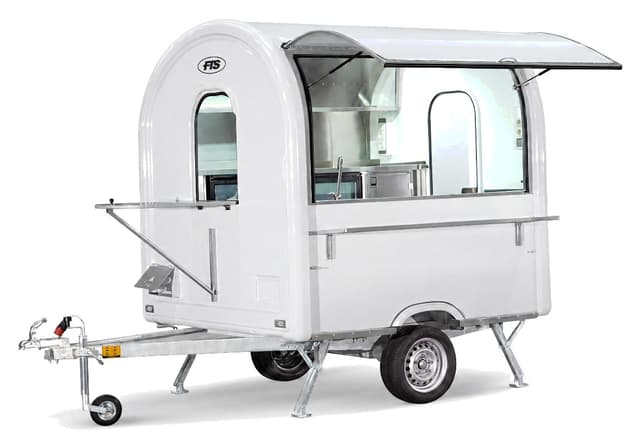
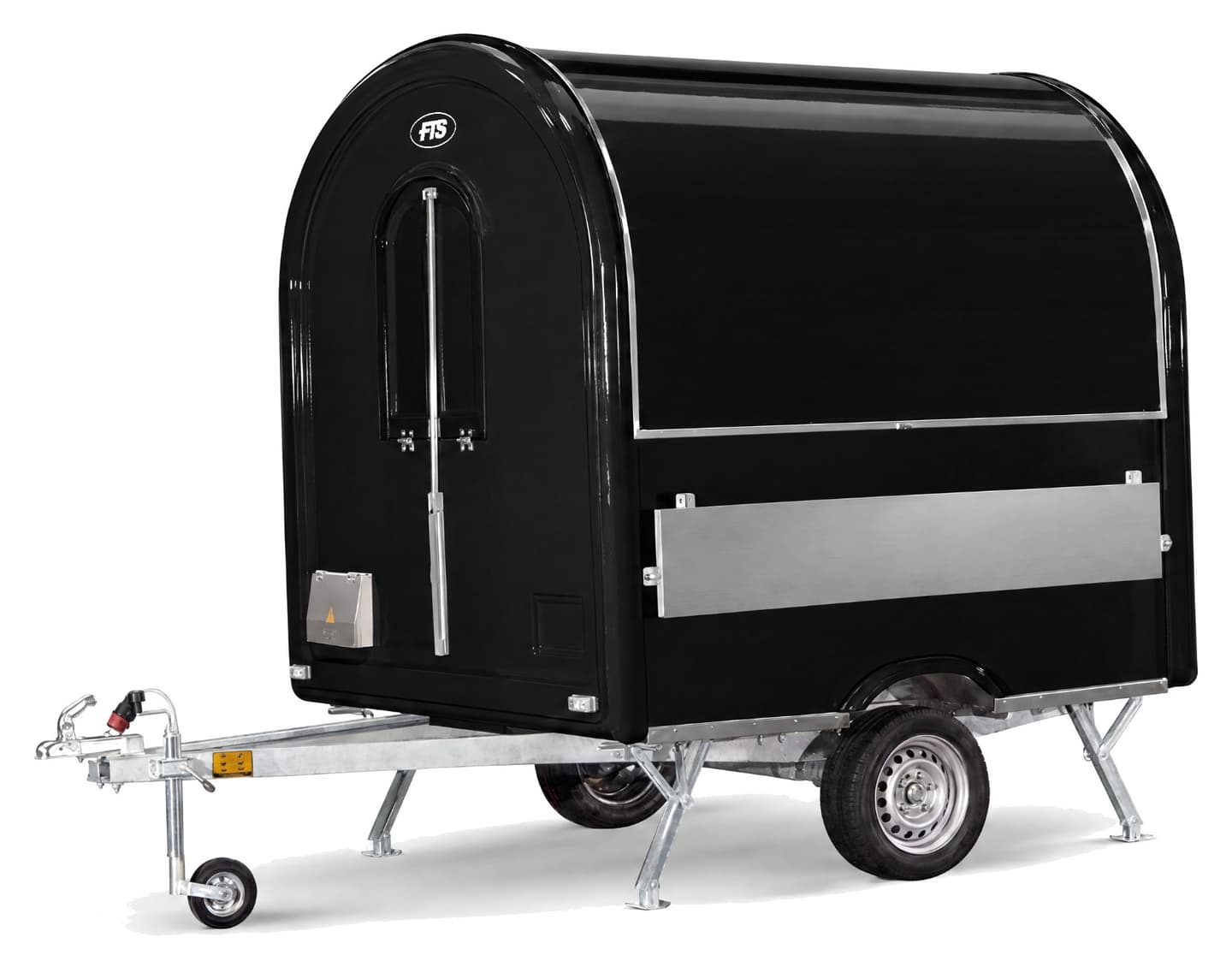
An empty trailer is a shell on a chassis, often with a door and serving hatch, but nothing to work with. In Ireland, every new light trailer sold since 29 October 2012 must be plated and type-approved and come with a certificate of conformity (RSA, laws on using light trailers): ask to see them before you buy an empty shell. The FSAI also expects a food van or trailer to be purpose built or properly converted (FSAI, Guidance Note 16, 5.2).
- What it hasA chassis, an axle, a shell, sometimes a door and a serving hatch.
- What it is missingWorktops, water supply, tanks, refrigeration, electrics, gas, and a hood if you cook.
- What to checkIts plate, certificate of conformity and maximum authorised mass: everything you add must fit within it.

What the hygiene rules require.
For mobile sites, EU hygiene rules list requirements to meet ‘where necessary’, in other words depending on what you prepare (Regulation (EC) 852/2004, annex II, chapter III). For food vans and trailers in Ireland, the FSAI adds smooth, hard and easily cleanable inside surfaces, a canopy over appliances that give off heat and steam, and waste water drained into a covered container marked ‘waste water’ (Guidance Note 16, 5.2). These rules apply from your very first service, whether you bought the trailer empty or fitted.
- Hand washing
Facilities to wash and dry hands hygienically. On our trailers, a hot-water hand basin is available as an option.
- Drinking water
Hot and/or cold, in sufficient quantity.
- Surfaces and cleaning
Food-contact surfaces that are smooth, washable, corrosion-resistant and non-toxic, plus a way to clean utensils and equipment.
- Waste
Somewhere to store solid and liquid waste and to dispose of it hygienically.
- Temperatures
The means to keep food at the right temperature and monitor it.
Gas, power and hood: call the professionals.
On an empty trailer, each of these jobs means another tradesperson, each with their own paperwork. EU rules cover the gas appliances, while each country sets the rules for the installation and its checks (Regulation (EU) 2016/426, art. 3(3)): in Ireland, the regulator has announced that non-domestic gas work, LPG included, is reserved for Registered Gas Installers from 1 September 2026 (CRU, RGI), and the revised standard I.S. 820 covers mobile catering (NSAI). On our trailers, the gas bottle box is optional, and outside France the gas installation is carried out and inspected by a qualified professional in your country.
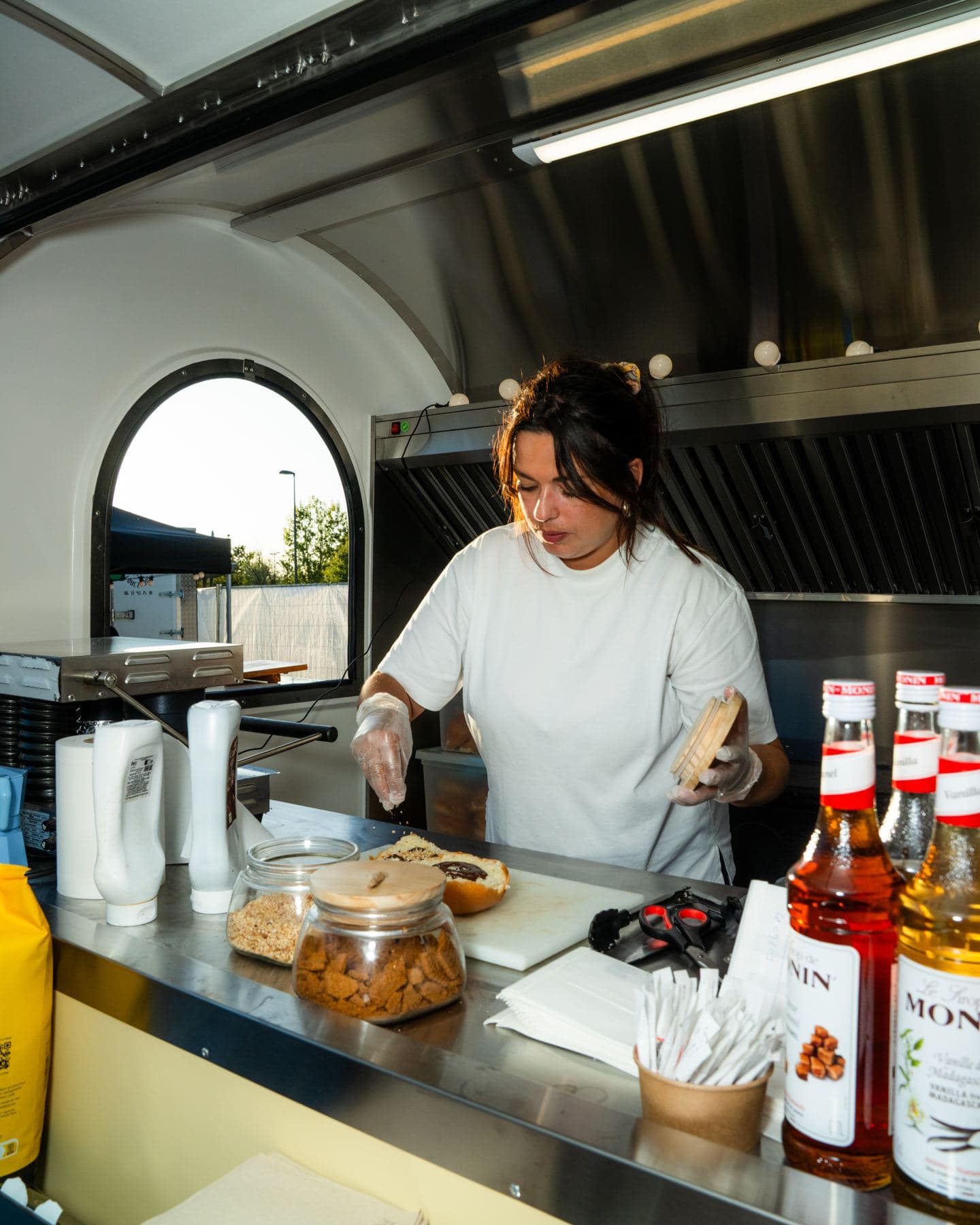
Stainless steel, water and a hood: the basics of a mobile kitchen.

The maximum mass is not negotiable.
Everything you install adds weight: worktops, fridges, full tanks, stock and gas. The loaded trailer must stay within the maximum authorised mass on its papers, which also decides the licence you need (Directive 2006/126/EC, art. 4(4)). And if you modify a trailer after it has been registered, several countries require a new inspection or approval (Finland, Italy, Spain, Denmark).
- FinlandAny change affecting safety, use or category means a muutoskatsastus, the post-conversion inspection.
- ItalyFitting out after registration needs a new visita e prova; without one, you face a fine and the withdrawal of the registration document.
- SpainA reforma: a technical project, a conformity report and an ITV inspection.
- DenmarkStructural changes or new masses mean a registration inspection before use.
Time, the hidden cost.
Your list of trades is also a list of appointments: stainless steel, plumbing, refrigeration, electrics, gas and extraction, then the paperwork. Each tradesperson has their own diary, and the trailer sits waiting in between.

The maths, item by item.
We won’t put a price on fitting out an empty trailer: it depends on your menu and your tradespeople. Add up the quotes for the trailer, stainless steel, water, refrigeration, electrics, gas, hood and paperwork, then your hours, and compare the total with a fitted AIR 220 base, as shown in our guide How much does a food truck cost in Europe?
- €11,500Essentiel AIR 220, excl. VAT: the fitted base ›
- €13,495Chef+ AIR 220, excl. VAT: for hot food, with its hood ›
- 1 yearwarranty, parts and labour, as set out in our terms of sale
Empty or fitted: do the sums.
An empty food trailer makes sense if you have the time, tradespeople you trust and a very specific plan. If you want to trade legally without a long fit-out, the Essentiel already has the stainless steel, the sinks and the certificate of conformity, with two spaces for your own fridges (not supplied): browse our food truck trailers, or find your layout with the Academy quiz.
The AIR 220, ready for your menu.
Your questions answered.
Got another question? Just ask us ›Yes, but the fit-out must meet the hygiene rules for mobile kitchens, gas and electrics must be installed by qualified professionals in your country, and the loaded trailer must never exceed its maximum authorised mass. In several countries, a change after registration needs a new inspection.
A food trailer sold without kitchen equipment: a shell on a chassis, often with a door and a serving hatch. Check its plate, its certificate of conformity and its maximum authorised mass before you buy.
To buy, yes. Once you add the stainless steel, water, refrigeration, power, hood, paperwork and your own hours, the gap narrows: do the maths with real quotes before you decide.
The Essentiel if your menu is cold or you want to fit your own equipment, from €11,500 excl. VAT; the Chef+ if you cook hot food, from €13,495 excl. VAT, with its hood.
It depends on your country: in Finland, Italy, Spain or Denmark, a change after registration needs an inspection or an approval. In Ireland, a light trailer is not registered, but the FSAI expects it to be purpose built or properly converted. Tell your insurer in writing too.
 By Romain, founder